
The Central Valley Doesn’t Need Another Politician. It Needs a Doctor in the House.
A frontline physician makes the case that what the Central Valley needs in Washington is someone who’s already been in their community doing the work.

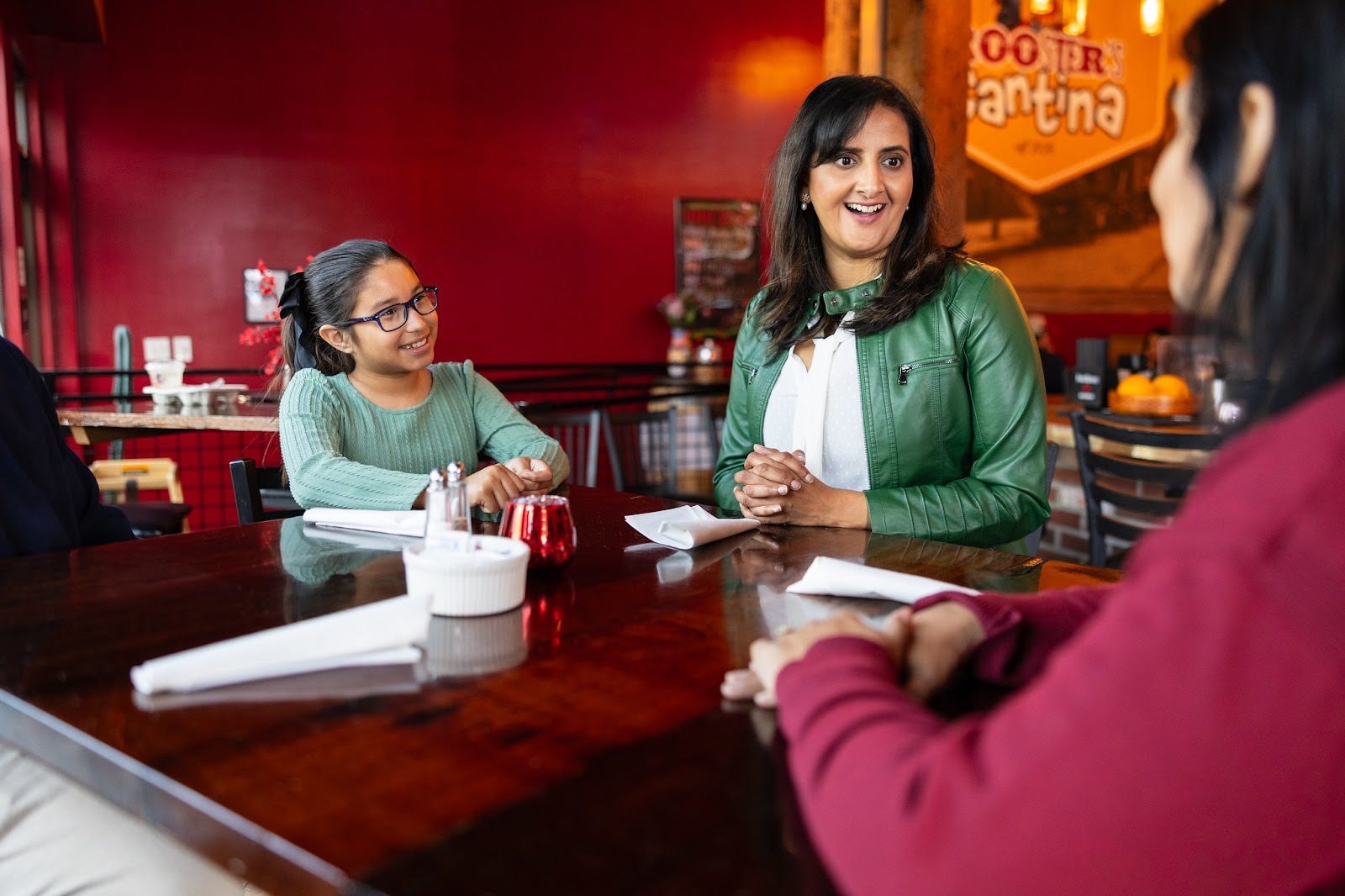
The Central Valley has a health care problem, and Washington keeps sending politicians.
Ahead of a new episode of Blue Dog Radio dropping later this week, we sat down with Dr. Jasmeet Bains, a sitting California State Assemblymember, practicing family physician, and Blue Dog candidate for Congress in CA-22, to talk about what it actually looks like to serve a community like hers.
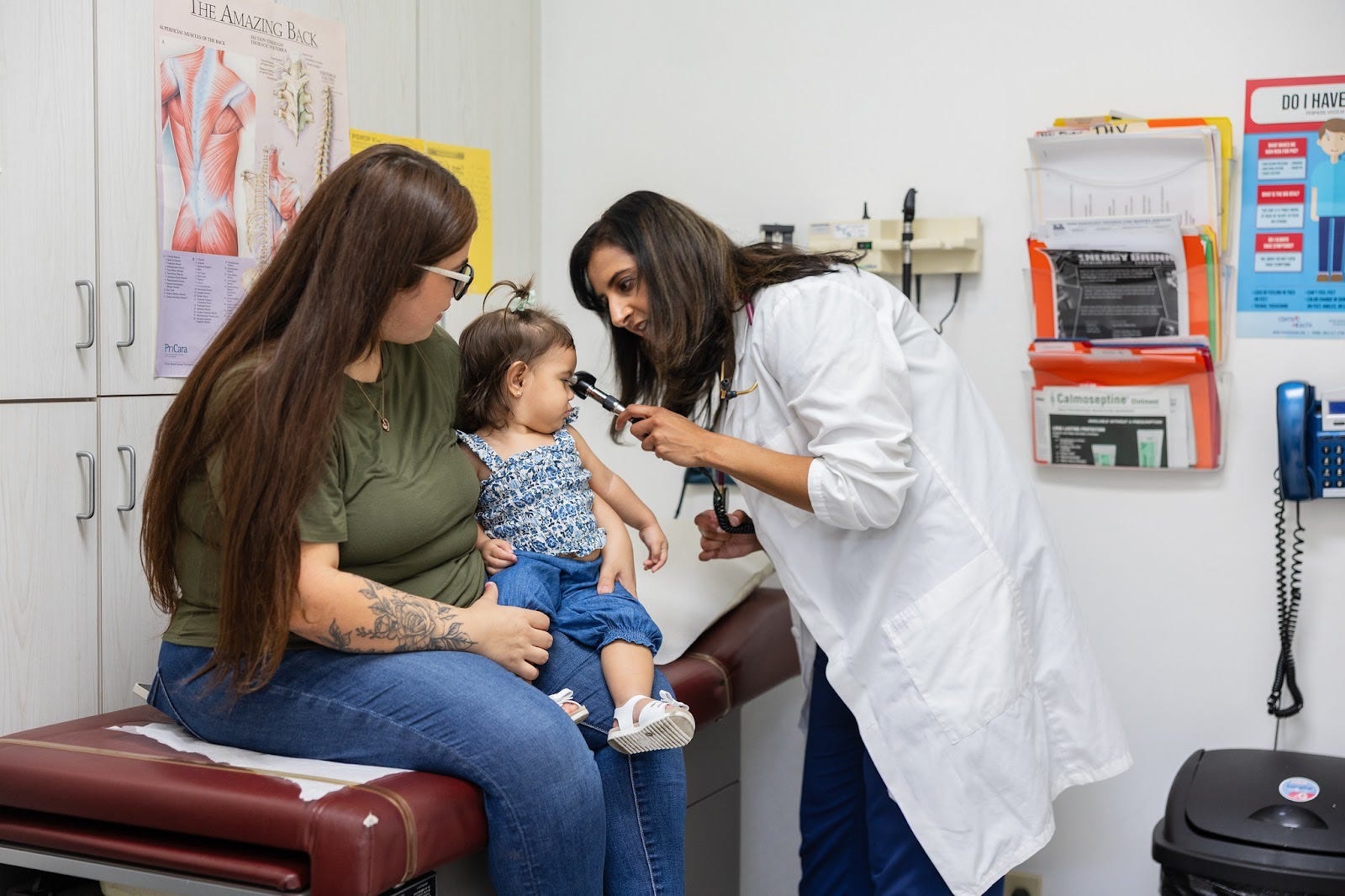
Before she ever stepped into politics, Dr. Bains was working in a rural clinic in California’s Central Valley. She treated patients who didn’t have insurance, watched as families fell through the cracks, and dealt with the kind of decisions that don’t show up in campaign messaging.
And when she talks about it, it doesn’t sound like abstract policy. It’s something she’s lived through.
“I saw grown men break down in my office because their kids are not getting that continuity of care.”
A Place People Talk About, But Don’t Really Understand
The Central Valley gets talked about a lot. Usually from far away.
It’s known as an agricultural backbone, a political battleground, and an economic case study. But what you don’t hear enough about is what it actually feels like to live there, especially if you’re not doing great.
Bains grew up in Delano, a small town and immigrant community. It’s tight knit, loyal to the soil, but not an easy place to raise a family.
And when she talks about it, Dr. Bains doesn’t romanticize it.
“Kids in Delano don’t grow up thinking they’re going to be a doctor… most of us just grow up hoping that we make it to our 18th birthday.”
Shortly after deciding to run for Congress, Dr Bains’ neighbor’s son was shot and killed in an act of gang violence. At 1 AM, she ran out of her house and into her front yard, trying to resuscitate him. She couldn’t save him.
This is the kind of environment she’s operating in.
You can’t workshop that into a campaign message. It’s the reality of living in her hometown.
It’s a place that has been dealing with the hard stuff of real life for a long time.
And not a lot of people in power have actually sat with those sorts of problems.
Not a Political Origin Story
Dr. Bains is not someone who set out to be a politician. She has not held internships on the Hill. Her path has not been perfectly plotted.
She was born to Punjabi Sikh immigrants from India. Her father worked as an auto mechanic and her mother worked odd jobs to help put Bains and her siblings through school.
She sold cars at her father’s dealership. Then she went to medical school. Not the Ivy League route, and not on any polished pipeline.
After that she came back to work in the same kinds of places she grew up in.
At one point, she was the only doctor at a Medicaid clinic in Taft, a rural town smack dab next to Midway-Sunset Oil Field, one of the largest and oldest oil fields in the U.S.
One doctor for an entire town.
This is a community where when people lose their jobs or their insurance there’s not a lot of slack in the system’s net to catch them. Because Bains is their doctor, she’s watching what happens next in their lives. People don’t just lose coverage. They lose continuity, access to medication, and options.
The Part That Should Make Both Parties Uncomfortable
One of the more striking parts of Bains’ platform is how little patience she has for the usual partisan framing.
Not in a performative “both sides” way, but a very specific, lived-in way.
“They were sacrificed by both sides of the aisle,” she says about the people in her community.
That’s coming from someone who has watched industries disappear, jobs vanish, patients move from private insurance to Medicaid, and from Medicaid to nothing.
And it leads to a pretty clear-eyed observation: You cannot talk about economic growth without talking about health care access. And you definitely can’t talk fully about either of those things if you’ve never actually had to sit across from someone dealing with the consequences.
Dr. Bains ran for the California State Assembly in 2022 and won. In her time representing her community in the Assembly, she’s come to recognize something about her colleagues very clearly: “We got a lot of talkers. We don’t got a lot of doers.”
That’s not exactly a groundbreaking statement when talking about politicians, but coming from her it lands differently. Because she’s not saying it as a critique of politics in theory - she’s saying it as someone who had already been doing the work of serving her community.
There’s a version of politics where the job is to message, position, and react. To get noticed on the internet. On TV. To be praised for taking on the issue of the day.
There’s another version of politics where the job is to solve, treat, and stabilize. Those are not the same skillsets. In a place like the Central Valley where the community needs real results, that difference matters.
The Moment Things Changed
Dr. Bains didn’t plan to run for Congress. In fact, she was pretty clear that she wasn’t going to do it.
That changed when her Member of Congress, Rep. David Valadao, voted for the so-called “One Big Beautiful Bill”. More than 68,000 people in the Central Valley stand to lose their health insurance because of that vote. It was a vote that will further strip health care access from the very people Dr. Bains has been treating for years.
For her, this vote wasn’t abstract. It wasn’t partisan. It was a gut punch to the communities she’s served for years. And her reaction was immediate.
“I remember seeing that… and I remember going, well, looks like we’re going to run for Congress.”
It’s the kind of quick decision you make when you feel like you’re already responsible for something important and the stakes got higher.
What This Race Actually Is
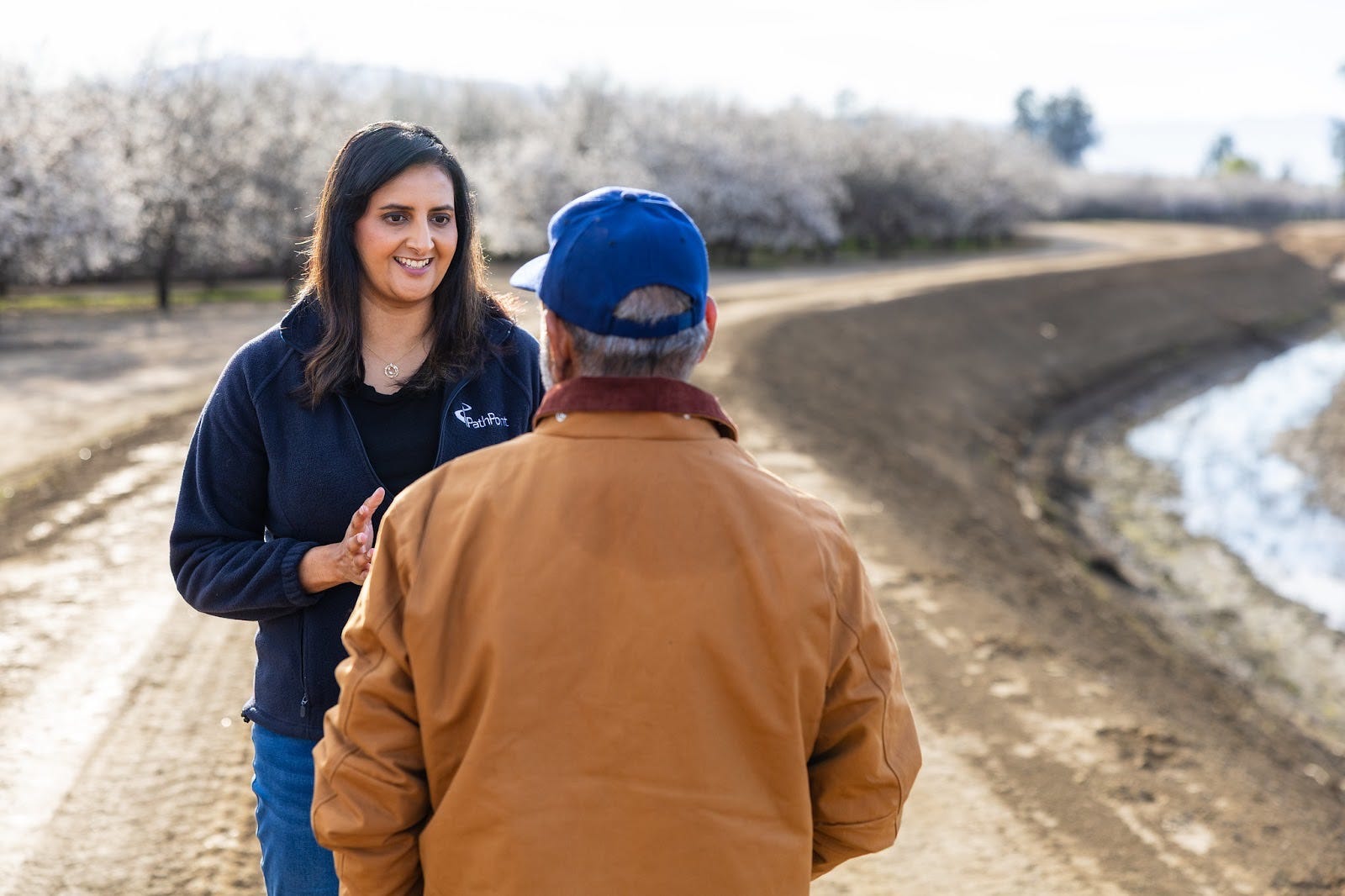
There are going to be plenty of ways outside observers will try to characterize this election.
Left vs right. Insider vs outsider. National vs local.
But for Dr. Jasmeet Bains, this election feels like something different, and personal.
This is about whether a place that has been studied, debated, and overlooked finally gets represented by someone who has actually been in the trenches there.
Someone who understands that health care in this district is not an abstract issue, policy bullet point or debate topic.
She ties it together plainly:
“This is a life and death problem here.”
The Central Valley has been waiting a long time for something to change.
And the question in this race is pretty simple:
Does CA-22 want another politician who can talk about the system? Or someone who has been working inside it trying to keep people afloat while it fails them?
Those are two very different things.
And one of them might actually be what this place needs.
Full episode of Blue Dog Radio with Dr. Jasmeet Bains drops Wednesday, March 25th.